
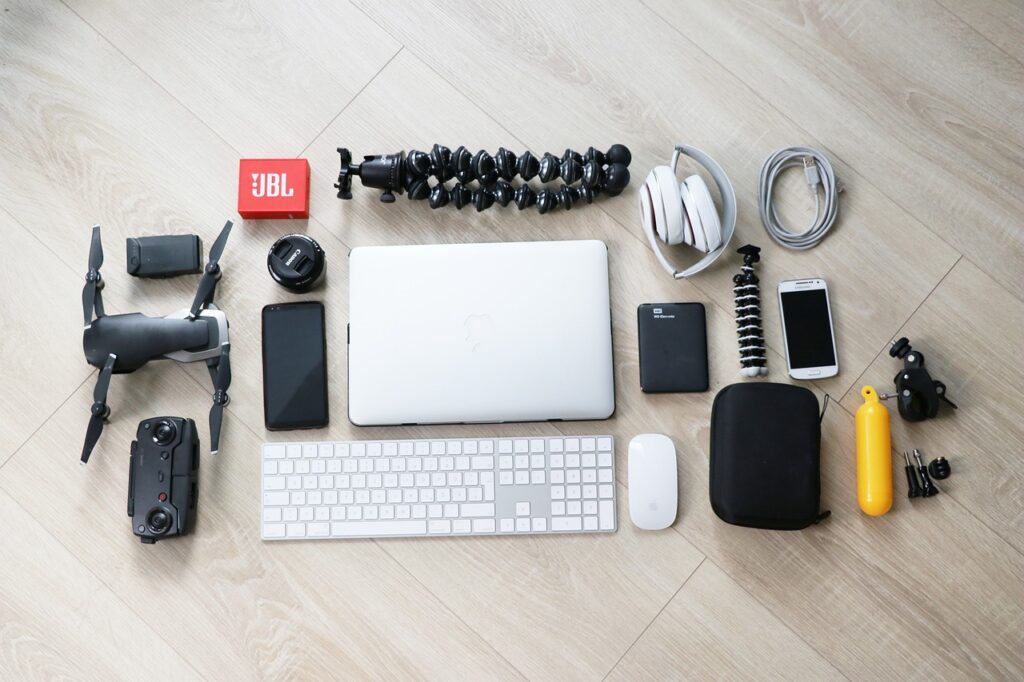
Top Summer Travel Tech Essentials with Up to 50% Off in 2026 | Get Ready Summer With the Best Gear
Get ready summer with the ultimate guide to travel tech essentials for small businesses and entrepreneurs planning their upcoming summer excursions. In an era where digital connectivity and personal safety are paramount, equipping yourself with the right technology can significantly influence the success and enjoyment of your travels. Whether you’re a small business owner attending a conference, a digital nomad managing your enterprise remotely, or simply a traveler seeking hassle-free adventures, understanding the essential tech gear can make all the difference.
This comprehensive article will delve into key travel tech essentials, explore how they support business continuity during travel, and provide practical steps to maximize their benefits—all while considering the critical aspect of insurance requirements and coverage tips tailored for small business owners. As you prepare for your summer trips, this guide aims to ensure you’re well-equipped, protected, and informed.
Key Takeaways
- Utilize essential travel tech to maintain productivity and ensure safety during summer trips.
- Understand business insurance requirements specific to travel scenarios, including general liability and workers compensation policies.
- Evaluate coverage limits explained to avoid gaps that could expose your business to risk while abroad.
- Adopt a strategic approach to business risk management by combining tech essentials with appropriate insurance coverage.
- Consider practical trade-offs and pitfalls in selecting travel gadgets, ensuring optimal value and utility.
Table of Contents
Essential Travel Tech Essentials for Summer 2026
Smart Devices for Business Connectivity
In 2026, staying connected is more crucial than ever. A reliable smartphone with 5G capabilities forms the backbone of your travel tech arsenal. It enables seamless communication with clients, team members, and trusted contacts, no matter where you are. For small business owners, this device isn’t just for personal use; it functions as a mobile office, allowing access to emails, cloud services, and virtual meetings from virtually anywhere.
Upgrading to a robust device with enhanced security features ensures your data remains protected. Features like biometric authentication, VPN compatibility, and regular security updates are vital. When selecting a smartphone, prioritize models with high battery life and durable, water-resistant designs to withstand travel rigors. Investing in a portable power bank ensures your device remains charged during long days away from outlets, which is especially useful during outdoor excursions or remote work sessions.
Beyond smartphones, tablets and portable laptops enhance productivity. A lightweight tablet with a keyboard attachment can serve as a secondary device for presentations, content creation, or quick communications. Similarly, portable laptops with robust security features and sufficient processing speed support more complex business tasks while on the go. Incorporate accessories like noise-canceling headphones for focus during travel or virtual meetings, ensuring clarity and professionalism even amid noisy environments.
Security and Data Management Tools
Traveling exposes your devices and data to increased security risks, including theft, loss, and cyberattacks. Utilizing security tools is a practical necessity. Installing reputable antivirus software, enabling two-factor authentication, and encrypting sensitive files safeguard your business information.
For small business owners, managing data access securely is paramount. Cloud-based solutions such as virtual private networks (VPNs) and secure file-sharing platforms allow remote access without risking data breaches. Regularly backing up critical data to ensure recovery in case of device loss or theft is another essential step. Consider hardware security options like biometric locks or physical safes for storing sensitive devices during transit.
Practically, equip yourself with portable hardware encryptors or external drives dedicated solely to backup copies. Using apps that monitor device locations can help recover lost items. It’s vital to stay updated on emerging cyber threats, especially targeting remote workers and traveling professionals, and to educate your team about best security practices.
Portable Wi-Fi Hotspots and Connectivity Solutions
Access to reliable internet remains a cornerstone of effective summer travel, particularly for small business owners. Portable Wi-Fi hotspots, also known as MiFi devices, provide secure, high-speed internet connections regardless of location. This is especially advantageous in areas where public Wi-Fi networks are unreliable or insecure.
When selecting a portable hotspot, consider coverage area, data plans, and compatibility with your devices. Unlimited data plans reduce worry about overage charges, and dual-band support (2.4 GHz and 5 GHz) ensures flexibility for various activities. Utilizing a hotspot minimizes exposure to cyber threats common on public networks, supporting your business’s cybersecurity posture.
Additionally, pairing your hotspot with virtual private networks (VPNs) provides an extra layer of security. Travel-specific plans often include international roaming, helping you stay connected abroad without exorbitant costs or service interruptions. For small business owners managing multiple remote sites or traveling across different regions, portable hotspots are an indispensable component of their tech toolkit for summer 2026.
Business Insurance Requirements for Travelers
Understanding Small Business Insurance Policies
Small business insurance encompasses multiple coverage types tailored to protect against specific risks. When traveling, understanding how your policies, such as general liability coverage and workers compensation policies, apply is critical. Many small business owners overlook the implications of policy terms when operating outside their usual environment, risking gaps in coverage.
General liability coverage protects against third-party claims of bodily injury, property damage, or advertising injury. For traveling entrepreneurs, this coverage extends to incidents that occur during business operations, meetings, or client visits abroad. Workers compensation policies cover employee injuries sustained while performing work-related duties, including during travel. Ensuring these policies are up to date and comprehensive minimizes financial exposure during summer trips.
It’s advisable to review your policies before travel, verifying coverage areas and contacting insurers about potential exclusions related to international travel or specific activities. Some policies may require additional endorsements or riders to extend coverage overseas. Consulting with your insurance agent ensures alignment with your travel plans and business operations, avoiding costly surprises.
Travel-Specific Business Insurance Add-ons
Many insurance providers offer add-on options for trips involving higher risks or specific activities, such as equipment transport, event hosting, or short-term international operation. These endorsements tailor coverage to meet the unique demands of traveling small businesses.
For instance, equipment coverage may protect your tech gear against loss or damage during transit. Cyber liability extensions safeguard against potential data breaches when working remotely or accessing networks abroad. Additionally, business interruption coverage can mitigate income loss from unforeseen incidents that disrupt your operations during travel.
When choosing add-ons, evaluate the scope of coverage, deductibles, and premiums to ensure they align with your travel itinerary and business risks. Working closely with your insurance broker helps identify necessary enhancements without overpaying for redundant coverage. Proper planning ensures that your business remains protected, no matter where your summer adventures take you.
Essential Documentation and Insurance Verification
Traveling with valid insurance documentation is non-negotiable. Carry physical copies and digital versions of policies, coverage details, and emergency contact information. Ensuring that your team members or employees also have access to necessary documents furthers preparedness and mitigates delays in case of emergencies.
Verification of insurance coverage limits and specific inclusions is critical. For example, a workers compensation policy may specify maximum indemnity limits per injury, which could be inadequate abroad if not reviewed. Clarify with your insurer about the applicability of coverage limits explained across different scenarios to prevent surprises during claims processing.
It’s also wise to establish communication protocols with your insurer or claims adjuster before departure. Confirm how to report incidents from abroad, access emergency assistance, and adhere to any pre-authorization requirements. Proper documentation and proactive communication contribute to smooth claims handling and rapid resolution in crisis situations.
Coverage Limits Explained and How They Apply
Types of Business Insurance Coverage Limits
Coverage limits denote the maximum amount an insurer will pay for a covered claim. For small business owners, understanding coverage limits—whether for general liability, workers compensation, or property —is vital. These limits directly impact the financial protection offered and influence risk management decisions.
For example, a general liability policy with a $1 million per-occurrence limit covers damages up to that amount. If a client sustains injury during your event or a mishap damages property, your insurer covers up to this threshold, and anything beyond becomes your responsibility. Recognizing whether your current limits are sufficient involves analyzing potential exposure and comparing it with industry standards.
Similarly, workers compensation policies often have statutory minimums and maximum indemnity limits set by state law. When traveling, especially internationally, verify whether these limits are applicable or need adjustment. Adequate coverage limits help prevent devastating out-of-pocket expenses following a significant incident.
Evaluating and Adjusting Coverage Limits
Evaluating your coverage limits requires assessing your business operations, risk exposure, and potential liabilities. Conducting risk assessments and consulting with insurance professionals can illuminate gaps. If your current limits are too low to cover possible damages or injuries, consider increasing them proactively.
Trade-offs involve higher premiums versus enhanced protection. For small businesses, balancing cost and coverage is a strategic decision that depends on financial capacity and risk appetite. Typically, higher coverage limits provide broader protection but at increased cost. It’s essential to understand the implications of these decisions and choose a level that aligns with your risk management strategy.
Reviewing your policies annually and after significant changes in your operations ensures coverage limits remain appropriate. During summer travel planning, this step helps prevent underinsurance in critical situations, safeguarding your enterprise against costly claims.
Business Risk Management Strategies on the Road
Proactive Risk Mitigation Practices
Effective business risk management involves proactive measures to minimize potential issues during travel. This includes employee training on safety protocols, data security, and emergency procedures. Implementing comprehensive policies, such as periodic risk assessments, enables small businesses to identify vulnerabilities before they manifest as costly incidents.
Incorporating safety signage, secure storage for sensitive equipment, and routine device maintenance further mitigates risks. When traveling with technology, consider insurance coverage as part of your risk mitigation, ensuring that it complements physical and procedural safeguards. The goal is to reduce exposure, defend against liabilities, and maintain continuity regardless of travel-related challenges.
For example, businesses hosting events abroad must evaluate premises safety, crowd control, and emergency response plans. Each measure reduces the likelihood of mishaps or legal claims, supporting a smoother, safer trip. Combining these practices with appropriate insurance coverage ensures comprehensive risk management adapted to travel contexts.
Establishing Emergency Response Protocols
Preparedness extends beyond physical safety; establishing clear emergency response protocols enhances resilience. Develop communication trees, evacuation procedures, and contact lists that include local authorities and your insurance agents. All team members should be briefed and trained accordingly.
In the event of cyberattacks, device theft, or accidents, knowing how to promptly report incidents can expedite claims processing and minimize damage. Additionally, maintaining an emergency fund or reserve can provide immediate relief in crises, complementing insurance coverage. These protocols ensure swift, coordinated responses that protect your business and personnel during summer travel.
Utilize technology, such as GPS trackers and emergency alert apps, to monitor assets and facilitate quick action. Regular drills and reviews of procedures keep the team prepared, helping to prevent panic and confusion during actual emergencies.
Leveraging Technology for Business Continuity
Technology supports resilient business operations during travel. Cloud-based accounting, project management, and communication tools enable remote collaboration and data access, reducing downtime. Ensuring these platforms are secure and backed up aligns with your risk management plan.
Install automatic alerts for system anomalies or potential breaches, and ensure employees are trained to recognize phishing attempts or suspicious activity. These measures protect your digital assets and sustain business continuity, even when you’re on the move.
Additionally, integrating real-time monitoring tools can detect operational disruptions early, allowing timely intervention. Combining technology with insurance coverage creates a robust framework that preserves your enterprise’s integrity during summer trips.
Decision Criteria for Choosing the Right Tech and Insurance
Assessing Business Needs and Budget Constraints
Every small business has unique requirements and financial constraints. When selecting travel tech essentials, prioritize devices and tools that directly support your core operations. For instance, if your business involves frequent client presentations, investing in a high-quality portable projector or a versatile tablet may yield higher returns.
Similarly, review your insurance budget against the potential risks your business faces while traveling. Understanding coverage options, coverage limits explained, and premiums enables informed decisions that balance cost with protection. Avoid under-coverage, which exposes your business to significant financial risks, and over-coverage, which unnecessarily inflates expenses.
Careful planning and consultation with industry peers or insurance experts can help establish an optimal investment strategy. The goal is to maximize productivity and security within your financial means, ensuring a successful summer travel experience.
Trade-Offs and Pitfalls in Tech and Insurance Choices
Trade-offs in selecting travel gear often involve factors like durability versus weight, cost versus functionality, and security versus convenience. For example, a rugged waterproof device may be more expensive but offers peace of mind against environmental hazards.
In insurance, higher coverage limits come at increased premiums, but may be necessary for high-value equipment or activities with elevated risks. Failing to assess your coverage limits explained can lead to underinsurance, exposing your business to financial loss. Conversely, overinsuring may strain your budget without proportional benefit.
Be cautious of policies with complex clauses or exclusions related to international travel, which could invalidate coverage when most needed. Always clarify policy scope and limitations with your insurer before departure to prevent unpleasant surprises. Strategic selection of tech and insurance ensures your summer travel is productive, safe, and financially secure.
Conclusion: Preparing for a Secure and Productive Summer
Getting ready summer with the right combination of travel tech essentials and comprehensive insurance coverage is vital for small business success. The landscape of business travel in 2026 demands proactive planning, informed decision-making, and continuous risk assessment. Leveraging advanced gadgets, securing robust data and device protections, and understanding coverage limits explained are key to maintaining business continuity.
Remember, aligning your technological tools with your insurance requirements ensures you’re protected against unforeseen events, legal liabilities, and operational disruptions. Carefully evaluate the trade-offs, pitfalls, and decision criteria to optimize your investments, balancing cost and protection effectively.
As you embark on your summer journeys, take advantage of practical solutions like portable Wi-Fi hotspots, secure cloud platforms, and strategic insurance add-ons. These elements work synergistically to empower your business to thrive amidst the demands of travel. For further insights into innovative digital design used in travel and technology, explore Awwwards, a platform showcasing creative excellence worldwide.
By implementing these comprehensive strategies, small business owners can enjoy a summer of productivity, security, and growth, all while getting ready summer with confidence and clarity.
Maximizing Your Travel Efficiency with Smart Packing Frameworks
One of the essential components of a seamless summer trip is efficient packing. Implementing a smart packing framework can significantly reduce travel stress, save time, and ensure you don’t forget crucial tech essentials. Start by categorizing your items into core groups: electronics, chargers, accessories, and entertainment. Use packing cubes or compression bags to keep everything organized and maximize luggage space.
Adopt the Layered Packing Method: place heavy electronics and gadgets at the bottom of your suitcase, followed by clothing, and then delicate items on top. This prevents damage and keeps fragile items secure. Additionally, utilize tech-specific organizers like cable management pouches, which prevent tangled cords and easy access during transit. By designing a personal packing framework tailored to your tech needs, you get ready summer with confidence, knowing that all your essentials are systematically arranged and easily accessible.
Implementing Fail-Safe Power Management Strategies
Power management is critical when traveling, especially during summer adventures where you’ll rely heavily on your devices for navigation, photos, and communication. A common failure mode is battery depletion at the most inconvenient moments. To mitigate this, incorporate fail-safe power management tactics such as the use of smart power banks, solar chargers, and automatic device management apps.
Invest in high-capacity solar chargers that can harness sunlight to replenish power during extended outdoor excursions. Pair these with reputable power banks equipped with multiple ports and fast-charging capabilities. Additionally, install device management apps that monitor battery health, optimize charging cycles, and allow you to prioritize critical applications. These tactics ensure your devices remain operational, even in remote locations, helping you get ready summer with the assurance that your tech arsenal won’t let you down when you need it most.
Optimizing Connectivity: Frameworks for Seamless Internet Access
One of the biggest travel pain points is maintaining reliable internet access. To get ready summer with uninterrupted connectivity, implement a comprehensive connectivity framework that combines multiple solutions. Start by selecting a global SIM card or eSIM plan designed for travelers, offering coverage across multiple countries with minimal roaming fees. Complement this with portable Wi-Fi hotspots that can connect several devices simultaneously, providing a local network wherever you go.
In addition, optimize your device settings by enabling data compression, offline maps, and download capabilities to conserve bandwidth. Use VPNs for secure browsing and avoid unnecessary background data consumption. Planning your connectivity setup in advance reduces the risk of being cut off and ensures smooth navigation, communication, and content sharing during your trip. Take advantage of promotional deals and bundle offers that bundle these essentials at up to 50% off, further enhancing your summer travel experience.
Advanced Security Frameworks for Protecting Mobile Data
Security is often overlooked but is paramount when traveling with valuable tech gadgets. A failure mode in this domain is data breaches or device theft, which can compromise sensitive information or ruin your trip. To get ready summer with robust security, adopt advanced security frameworks that encompass hardware, software, and behavioral protocols.
Start with biometric security features like fingerprint scanners and facial recognition to prevent unauthorized access. Use multi-factor authentication (MFA) for all online accounts linked to your devices. Install reputable security apps that provide real-time threat detection, remote device wiping, and encrypted backups. Also, consider hardware solutions such as portable safes or lockable cases for your devices and chargers, especially when in crowded or unfamiliar settings. Regularly updating your device firmware and security patches closes vulnerabilities and prepares your tech environment for all potential failure modes. These strategies not only protect your data but also give you peace of mind, enabling you to get ready summer with confidence and security.
Conclusion: Prepare for a Tech-Optimized Summer Journey
By incorporating structured frameworks for packing, power management, connectivity, and security, travelers can elevate their summer experience exponentially. The key is to anticipate potential failure modes and implement optimization tactics that ensure reliability and efficiency. Leveraging discounts of up to 50% on essential travel tech gear in 2026, now is the perfect time to gear up and get ready summer with all the tools needed for a smooth, enjoyable adventure. Remember, a well-prepared tech setup not only enhances convenience but also safeguards your valuable devices, making every moment of your trip memorable and stress-free.