
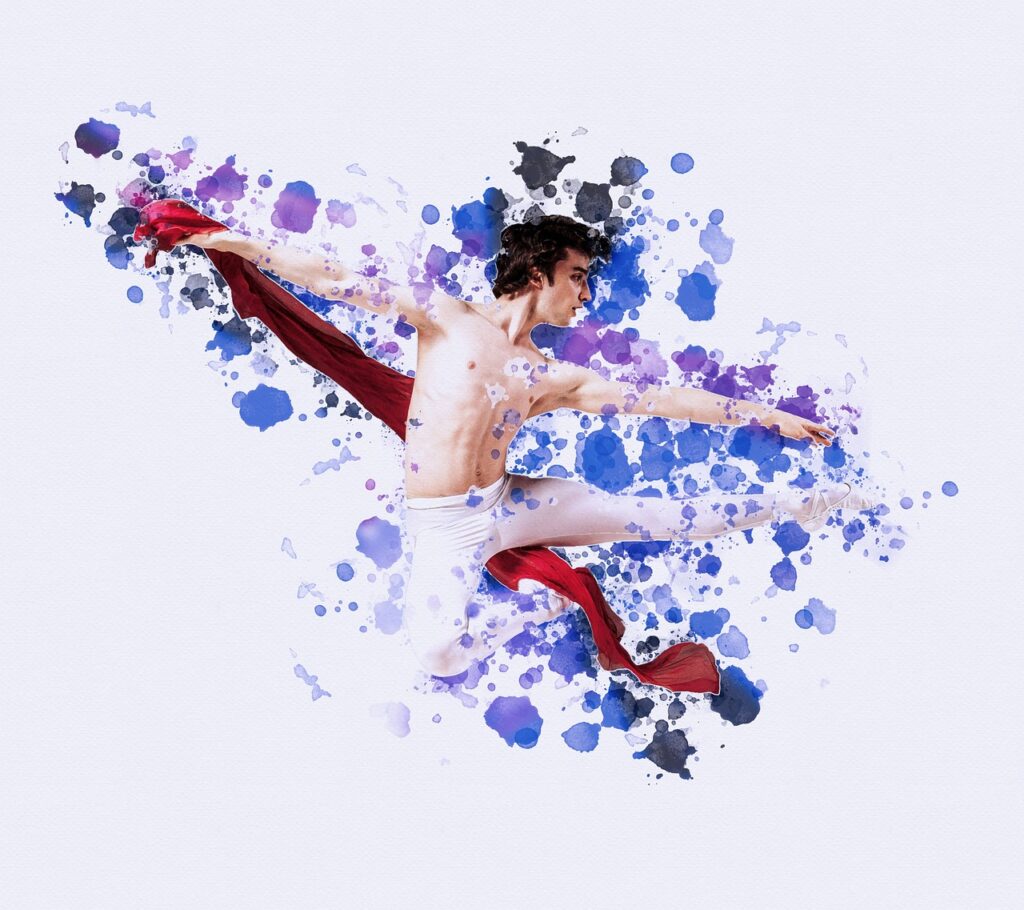
Watercolor Web Design: 7 Essential Strategies for 2026
Watercolor Web Design – Susurrus crafting cozy watercolor aesthetics has become a defining trend in contemporary digital design, blending tactile artistry with immersive 3D environments. As designers seek to evoke warmth and intimacy in their projects, the combination of Three.js and shader programming offers limitless possibilities for creating lush, watercolor-inspired worlds that captivate audiences and enhance brand storytelling. In 2026, this approach is redefining visual content creation, encouraging a harmonious fusion of traditional art techniques and cutting-edge web technologies to craft experiences that resonate on emotional and aesthetic levels.
Watercolor Web Design: Key Takeaways
- Susurrus crafting cozy watercolor involves integrating watercolor textures and aesthetic principles into 3D environments using Three.js and shaders.
- Effective UI/UX practices and color palette inspiration are essential for designing immersive, user-friendly watercolor worlds.
- Understanding logo design principles and current graphic design trends helps brands leverage susurrus crafting for cohesive identity development.
- Trade-offs include balancing visual richness with performance, ensuring accessibility, and maintaining fluid interactivity in web-based watercolor experiences.
- Practical steps involve mastering shader programming, curating color schemes, and iterative testing for optimal visual impact.
Table of Contents
Introduction
Key Aspects of Watercolor Web Design
Susurrus crafting cozy watercolor represents a unique approach to digital aesthetics that marries the tactile warmth of traditional watercolor art with the dynamic possibilities of web-based 3D environments. By leveraging modern tools such as Three.js—a JavaScript library for creating rich WebGL-driven experiences—and sophisticated shader programming, designers can craft immersive worlds that evoke comfort, intimacy, and artistic elegance.
This trend reflects a broader movement in digital design that values emotional resonance, personal expression, and sensory engagement. As audiences increasingly seek authentic, handcrafted experiences online, integrating watercolor-inspired visuals into interactive projects offers a way to stand out and foster genuine connections. In 2026, susurrus crafting cozy watercolor is not only an artistic choice but a strategic approach to establishing memorable brand identities and engaging user experiences.
Throughout this article, we explore the technical fundamentals, design principles, and practical strategies for mastering susurrus crafting cozy watercolor, equipping creators and brands with actionable insights to innovate within this evocative aesthetic.
Understanding Susurrus Crafting Cozy Watercolor
Defining the Aesthetic: What Is Cozy Watercolor?
The term \”cozy watercolor\” encapsulates a visual style characterized by soft, muted tones, organic textures, and a sense of warmth and comfort. Traditionally, watercolor painting emphasizes transparency, fluidity, and delicate blending—traits that translate beautifully into digital environments when approached thoughtfully.
In a digital context, susurrus crafting cozy watercolor involves utilizing textures and color schemes reminiscent of watercolor paintings, combined with animated shaders and soft lighting effects to evoke a sense of serenity. This aesthetic is often used to create branding materials for lifestyle brands, wellness apps, and creative portfolios aiming to communicate authenticity and approachability.
Achieving this look requires a deep understanding of watercolor techniques, color theory, and how to simulate paint behavior digitally. The goal is to craft visual worlds that feel both familiar and immersive, inviting users into a gentle, artistic space that resonates emotionally.
The Psychological and Cultural Impact of Cozy Watercolor
The appeal of cozy watercolor lies partly in its ability to evoke nostalgia and tranquility, traits that are universally appreciated across cultures. In a fast-paced digital world, these visuals provide a calming counterbalance, offering viewers a moment of respite.
Brands leveraging this aesthetic often aim to foster trust and approachability, making susurrus crafting cozy watercolor an effective tool in brand identity design. The tactile, handcrafted feel of watercolor art communicates authenticity, while the digital adaptation ensures scalability and interactivity.
Understanding the psychological impact of this style helps designers make informed decisions about content creation, ensuring that visual content not only looks appealing but also enhances user engagement and emotional connection.
Integrating Three.js and Shaders for Watercolor Worlds
The Power of Three.js in Creating Dynamic Watercolor Environments
Three.js has become the go-to library for web-based 3D rendering because of its simplicity and versatility. It allows developers to create complex geometric shapes, animate scenes, and incorporate shaders seamlessly, making it ideal for susurrus crafting cozy watercolor worlds.
In creating watercolor-inspired environments, Three.js facilitates the construction of layered, textured scenes where watercolor textures are mapped onto 3D objects. Combined with WebGL shaders, these textures can be manipulated to emulate watercolor effects such as bleeding, transparency, and granulation, enhancing authenticity.
Effective implementation involves understanding scene management, camera controls, and how to optimize rendering for performance. Techniques like level-of-detail adjustments and efficient texture loading are critical when designing interactive watercolor worlds accessible across devices.
Shader Programming: Simulating Watercolor Effects
Shaders are small programs that run on the GPU, controlling how graphical data is processed and rendered. They are essential for creating realistic watercolor effects, such as soft edges, color blending, and watercolor bleeding.
Developers often employ fragment shaders to manipulate pixel data, simulating watercolor paint behavior. Techniques such as random noise overlays, alpha blending, and gradient functions help produce organic, unpredictable watercolor textures that evolve dynamically with user interaction.
Mastering shader programming requires a good grasp of GLSL (OpenGL Shading Language) and an understanding of how to translate traditional watercolor techniques into digital algorithms. Resources like ShaderToy and tutorials from community forums can accelerate learning and experimentation.
Designing Cozy Watercolor Visuals
Creating Authentic Watercolor Textures
The foundation of susurrus crafting cozy watercolor lies in authentic textures. These can be sourced from high-resolution scans of real watercolor paintings or generated digitally through procedural textures and filters.
Incorporating physical textures into digital projects involves careful attention to detail—considering factors like paper grain, paint granulation, and brush strokes. Texture tiling and seamless mapping ensure that visuals remain cohesive across larger scenes without noticeable repetition.
Advances in AI-based texture generation now enable artists to produce highly realistic watercolor effects that can be customized for specific projects, providing a broad palette of options for designers seeking to evoke tactile authenticity.
Utilizing Soft Lighting and Composition
Lighting plays a pivotal role in enhancing the cozy watercolor aesthetic. Soft, diffuse light sources help mimic the natural translucency of watercolor paints, adding depth and warmth to the scene.
Compositional principles borrowed from traditional watercolor art—such as asymmetry, negative space, and organic flow—guide the placement of visual elements, reinforcing a sense of calm and harmony. Layering elements with varying degrees of transparency creates a sense of depth and richness.
Balance between light and shadow, combined with muted color schemes, ensures that the visuals maintain a gentle, inviting atmosphere that encourages prolonged engagement.
Color Palette Inspiration and Application
Selecting Color Schemes for a Watercolor Feel
Choosing the right color palette is vital in susurrus crafting cozy watercolor. Soft pastels, earth tones, and washed-out hues are typical choices, as they evoke warmth and serenity.
Color palette inspiration can come from nature, vintage art, or contemporary watercolor paintings. Tools like Adobe Color or Coolors provide curated palettes that can be customized for specific moods or themes.
When applying these colors digitally, it is essential to consider transparency, blending modes, and layering techniques to emulate watercolor’s characteristic translucency and blending effects.
Applying Colors to Create Cohesive Watercolor Worlds
Consistency across visual elements ensures a cohesive watercolor world. Applying a limited, harmonious palette prevents visual clutter and enhances aesthetic unity.
Gradients and soft transitions between colors mimic watercolor bleeding, reinforcing the organic feel. Using shader programming to control how colors blend at the pixel level allows for dynamic, interactive color effects.
Iterative testing and adjustments help refine the color application, ensuring that the visual outcome aligns with the desired cozy, watercolor aesthetic.
Branding and Identity in Watercolor Design
Logo Design Principles for Watercolor Brands
Incorporating watercolor textures into logo design requires balancing artistic expression with brand clarity. Logos should remain legible and scalable while embracing the organic, fluid qualities of watercolor art.
Design principles such as simplicity, versatility, and memorability are crucial. Incorporating watercolor effects as overlays or backgrounds enhances visual appeal without compromising clarity.
Digital tools like Adobe Illustrator and Procreate facilitate creating watercolor logos that can be adapted across various media, maintaining consistency in brand identity.
Leveraging Watercolor for Brand Storytelling
Watercolor aesthetics support storytelling by conveying authenticity, softness, and craftsmanship. Brands often use watercolor backgrounds and textures in packaging, websites, and social media to evoke emotional resonance.
Consistency in color schemes and artistic style across digital and physical assets reinforces brand recognition. Susurrus crafting cozy watercolor allows brands to present a cohesive, approachable identity that appeals to target audiences seeking authenticity and artistry.
Best Practices in UI/UX
Designing Intuitive Watercolor Interfaces
Effective UI/UX design employing susurrus crafting cozy watercolor prioritizes clarity, accessibility, and aesthetics. Soft, muted interfaces with rounded corners and gentle animations create inviting user experiences.
Navigation should be straightforward, with visual hierarchy guided by watercolor textures and subtle shading. Interactive elements like buttons and icons can incorporate watercolor overlays to maintain visual consistency.
Responsive design considerations ensure that watercolor effects adapt smoothly across devices, maintaining both aesthetic integrity and usability.
Enhancing User Engagement with Visual Content
Dynamic watercolor backgrounds, animated shaders, and interactive elements encourage user engagement. Parallax effects and subtle transitions contribute to an immersive experience.
Personalization options, such as customizable watercolor themes, foster emotional connection and user loyalty. Clear call-to-action buttons and intuitive layout guide users seamlessly through the interface.
Testing usability across diverse user groups helps identify accessibility issues, ensuring that susurrus crafting cozy watercolor remains inclusive and effective.
Challenges and Trade-offs
Performance Versus Visual Fidelity
High-quality watercolor effects and intricate shaders can impact website performance, especially on lower-end devices. Developers need to optimize assets, such as compressing textures and limiting shader complexity, to balance aesthetic richness with performance.
Strategies like lazy loading and progressive rendering help maintain a smooth user experience without sacrificing visual quality. Continuous testing across devices is essential to identify bottlenecks and optimize accordingly.
Understanding the trade-offs allows designers to prioritize core visual elements while ensuring accessibility and responsiveness.
Accessibility and User Inclusivity
Soft, pastel color schemes may pose contrast challenges for some users. Ensuring sufficient contrast ratios and providing options for increased contrast or different color modes enhances accessibility.
Text readability and interactive element visibility must be maintained, employing ARIA labels and semantic HTML where appropriate.
Inclusive design practices extend to considering users with visual impairments, ensuring that susurrus crafting cozy watercolor remains inviting for all.
Practical Steps and Tools
Mastering Shader Programming and WebGL
Developers should start with foundational knowledge of GLSL and WebGL APIs. Resources like ShaderToy and online tutorials provide practical guidance for creating watercolor shader effects.
Experimenting with procedural textures, noise functions, and blending algorithms enables the replication of watercolor behaviors such as bleeding, granulation, and transparency.
Integration with Three.js involves understanding how to pass shader code into materials and control shader parameters dynamically, facilitating interactive watercolor worlds.
Curating Color Palettes and Textures
Tools like Adobe Color, Coolors, and AI-assisted generators help create harmonious color schemes. Custom textures can be sourced from high-resolution scans or generated through procedural techniques.
Combining these elements thoughtfully ensures visual consistency and authenticity, key to susurrus crafting cozy watercolor projects.
Iterative testing and feedback help refine both the technical and aesthetic aspects, resulting in polished, immersive environments.
Conclusion
Susurrus crafting cozy watercolor embodies a sophisticated blend of artistic sensibility and technological innovation. By leveraging the capabilities of Three.js and shader programming, designers can create digital worlds rich in warmth, authenticity, and visual depth. Attention to UI/UX best practices, strategic color palette choices, and a clear understanding of branding principles amplify the impact of watercolor-inspired visuals.
While challenges such as balancing performance and accessibility exist, practical tools and thoughtful design processes enable creators to navigate these trade-offs effectively. Embracing this aesthetic offers brands and artists an opportunity to forge authentic, emotionally resonant connections with their audiences.
For further insights into modern design trends and technical tutorials, explore Smashing Magazine.
Integrating Susurrus into Modern Web Frameworks: Vue.js and React Approaches
To seamlessly incorporate susurrus crafting cozy watercolor scenes within contemporary web applications, leveraging popular frameworks such as Vue.js and React is essential. These frameworks facilitate component-based architectures, enabling developers to build modular, maintainable, and responsive watercolor worlds powered by Three.js and custom shaders.
In Vue.js, creating a dedicated WatercolorScene component allows for encapsulating the WebGL setup, shader logic, and interactive controls. By utilizing Vue’s reactive data properties, developers can dynamically adjust parameters like color palettes, water ripple intensity, or brush stroke density, providing users with a personalized susurrus experience. Lifecycle hooks such as mounted and beforeDestroy ensure optimal resource management, initializing the Three.js scene and cleaning up event listeners accordingly.
React integration involves wrapping the Three.js scene within a useEffect hook, managing state via hooks like useState or context for global adjustments. Libraries like react-three-fiber abstract much of the boilerplate, offering declarative syntax for scene graph management. This setup allows for reactive updates to watercolor parameters, enabling smooth user experiences and complex interactions while maintaining high performance.
Both frameworks benefit from implementing lazy loading and code splitting, ensuring that heavy WebGL assets and shader programs load only when needed, thereby reducing initial load times. Additionally, leveraging server-side rendering (SSR) where appropriate can improve SEO and perceived performance, especially for content-rich projects showcasing susurrus crafting cozy watercolor worlds.
Handling Failure Modes and Performance Bottlenecks in Susurrus Implementations
Despite the visual appeal and engaging interactions, implementing susurrus crafting cozy watercolor scenes can encounter several failure modes and performance pitfalls. Awareness of these issues is crucial for developers aiming to deliver smooth, reliable experiences across diverse devices and browsers.
- Shader Compilation Failures: Complex fragment shaders may fail to compile due to syntax errors or unsupported features on certain GPU hardware. To mitigate this, rigorous shader validation and fallback mechanisms should be implemented. Tools like ShaderToy can assist in testing shaders across multiple environments before deployment.
- Memory Leaks and Resource Management: WebGL contexts are susceptible to memory leaks if textures, geometries, or framebuffers are not properly disposed of. Regular cleanup routines, such as calling
dispose()on WebGL objects once they are no longer needed, are vital to prevent degraded performance over prolonged usage. - Frame Rate Drops: Excessive shader complexity, large texture sizes, or uncontrolled draw calls can cause frame drops. Profiling tools like Chrome DevTools Performance tab or WebGL Inspector should be used to identify bottlenecks. Simplifying shader code, optimizing texture formats, or batching draw calls can significantly improve frame rates.
- Device Compatibility: Older devices or mobile browsers may struggle with high shader complexity or high-resolution textures. Implementing adaptive quality settings—such as dynamically reducing resolution, shader detail, or effects—ensures a broader user reach without sacrificing core susurrus crafting cozy watercolor aesthetics.
Robust error handling, fallback shaders, and progressive enhancement strategies are essential for ensuring that the susurrus experience remains resilient even in less-than-ideal hardware situations. Regular performance audits and user feedback loops help refine these controls over time.
Focus keyword context: Watercolor Web Design Watercolor Web Design
Focus keyword context: Watercolor Web Design
Focus keyword context: Watercolor Web Design
Focus keyword context: Watercolor Web Design
Focus keyword context: Watercolor Web Design
Focus keyword context: Watercolor Web Design
Focus keyword context: Watercolor Web Design
Focus keyword context: Watercolor Web Design